Treat yourself to juicy fresh kebabs that everyone loves.
Wiki Article
Deciphering the Essence of Indian Cuisine: A Guide to Iconic Famous Indian Food
Indian food is an intricate mosaic, identified by its abundant spices and diverse regional tastes. Each meal mirrors an one-of-a-kind cultural heritage, mixing farming experiment cooking art. From the luscious sauces of the North to the rice-based specializeds of the South, the selection is impressive. This exploration will certainly disclose legendary recipes and the tales behind them, along with the substantial duty of road food in India's gastronomic landscape. What secrets exist within this cooking practice?The Abundant Tapestry of Indian Flavors
While numerous foods depend on a minimal array of tastes, Indian cuisine is distinguished by its comprehensive and diverse selection of seasonings. This abundant tapestry of flavors consists of staples such as cumin, cardamom, turmeric extract, and coriander, each contributing special attributes to meals. Cumin provides a cozy, natural flavor, while coriander adds a hint of citrus. Cardamom, commonly referred to as the "queen of spices," presents a pleasant, aromatic quality, and turmeric provides a vivid gold shade along with its health and wellness benefits.Spices are not just flavorings in Indian cooking; they are important to the culinary philosophy, signifying balance and consistency. The art of blending spices, recognized as masala, varies from area to region, showcasing the cooking experience gave through generations. This intricate use spices not just enhances taste yet likewise shows India's social heritage, making each dish a sensory experience that narrates of its beginning.
Regional Variations: Discovering the Variety of Indian Recipes
North vs. South Cuisine
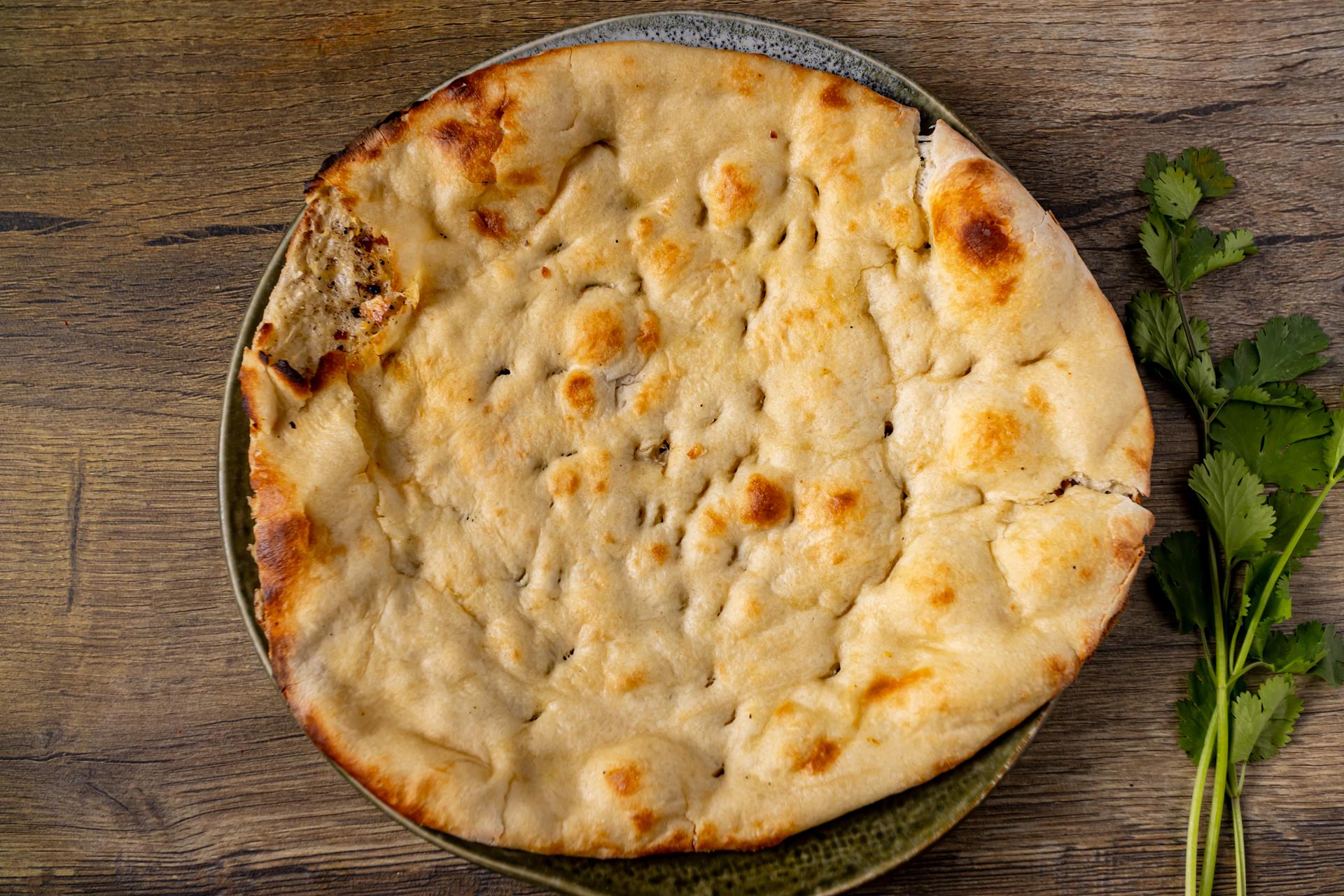
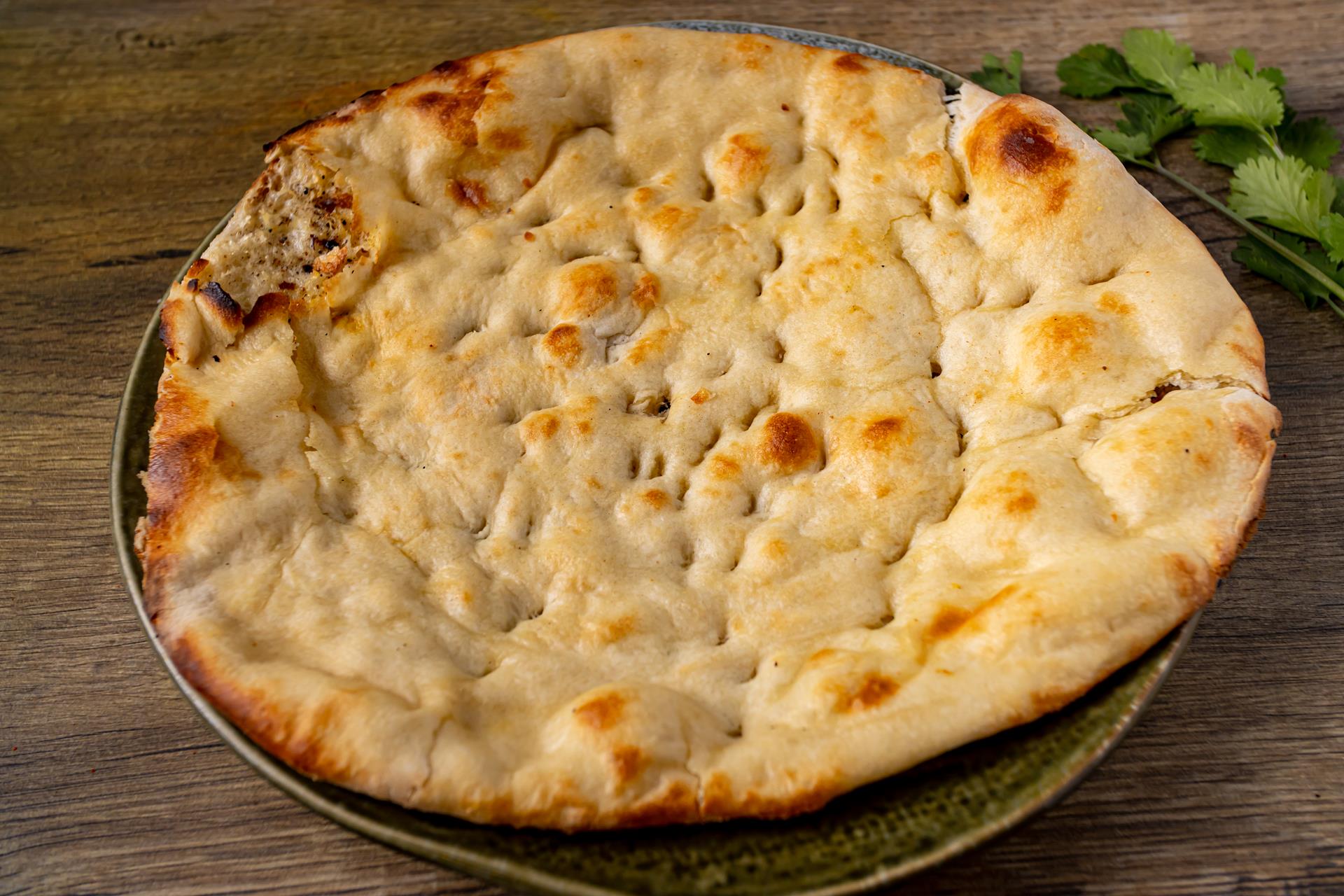
Both South and north Indian cuisines share a rich heritage, they supply unique tastes, ingredients, and cooking techniques that mirror their diverse regional impacts. North Indian food is characterized by its usage of dairy products, such as paneer and ghee, and includes recipes like butter chicken and naan. The food often integrates fragrant spices and rich gravies, dealing with a scheme seeking comfort and heat. In comparison, South Indian cuisine emphasizes rice, lentils, and fresh vegetables, resulting in lighter, tasty recipes like dosa and sambar. Coconut and curry leaves prevail, adding to its one-of-a-kind taste account. This regional divergence highlights the culinary breadth of India, showcasing exactly how location and society form food practices throughout the nation.Ingredients and flavors Diversity
The lively tapestry of Indian cuisine is woven together by an amazing variety of seasonings and active ingredients, each contributing to the country's cooking diversity. From the fiery chilies of the south to the aromatic cardamom of the north, these aspects vary regionally, showing regional agriculture and environment. Coastal regions utilize fresh seafood and coconut, while arid areas prefer grains and lentils. Making use of flavors like cumin, turmeric extract, and coriander is common, yet each region has its unique blend, such as garam masala or panch phoron. In addition, neighborhood natural herbs and veggies additionally enhance recipes, showcasing seasonal availability. This intricate interaction of structures and flavors is what makes Indian food both varied and deeply rooted in custom.Iconic Dishes: From Biryani to Butter Chicken
Rich in tastes and practices, renowned meals such as biryani and butter chicken exhibit the varied culinary landscape of the Indian subcontinent. Biryani, a fragrant rice recipe layered with marinaded meat, showcases local variations, from the spicy Hyderabadi to the flavorful Lucknowi. Each variation shows local seasonings, food preparation techniques, and social influences, making biryani a beloved dish across India.Butter hen, or murgh makhani, stems from Delhi and includes tender hen pieces simmered in a luscious tomato sauce enhanced with spices and butter. This recipe highlights the fusion of tastes, integrating elements from Mughlai food with conventional Indian food preparation. Both meals not just please the palate yet also inform stories of India's abundant history and the mixing of cultural impacts. Together, they stand as demos of the artistry and intricacy of Indian cuisine, inviting food fanatics to explore their unique flavors and prep work.
The Art of Indian Street Food
Indian road food stands for a dynamic tapestry of textures and flavors, charming locals and vacationers alike. This cookery type grows in bustling markets, where vendors masterfully prepare quick, affordable, and tasty dishes. From the spicy and tangy pani puri to the mouthwatering chaat, each recipe offers a distinct preference experience, frequently gone along with by a symphony of aromatic spices.Street food is not just regarding nourishment; it symbolizes the significance of social interaction and cultural exchange. Individuals collect around food stalls, sharing stories and giggling, producing a feeling of community. Regional variations include more depth, with each area flaunting its specializeds, such as vada pav in Mumbai or kathi rolls in Kolkata.
The prep work methods, frequently passed down via generations, reflect a blend of tradition and technology. This vibrant street food scene illustrates the rich culinary heritage of India, making it an indispensable component of the country's identity.
Typical Food Preparation Techniques and Their Importance
Traditional cooking methods in Indian food reflect the varied local practices and the social significance of food preparation. These methods not just improve the flavors and appearances of active ingredients yet additionally personify routines that attach individuals to their heritage. Understanding these techniques lights up the indispensable duty they play in maintaining authenticity and maintaining culinary traditions.Regional Food Preparation Approaches
While exploring the varied landscape of food preparation techniques, one can discover a tapestry of local strategies that reflect the cultural heritage and regional sources of various areas. Each region in India showcases one-of-a-kind techniques, such as using clay pots in fresh kebabs rural areas, which enhance taste via slow-moving food preparation. The tandoor method, widespread in the north, imparts a distinctive smokiness to breads and meats, while steaming is favored in coastal areas, preserving the freshness of seafood and vegetables. In the south, toughening up spices in warm oil is an essential action, releasing crucial oils and fragrances. These techniques not just produce distinctive cooking identities however additionally link areas to their historic and ecological contexts, highlighting the significance of custom in Indian cuisine.Ingredient Preparation Rituals
In numerous kitchen areas throughout India, ingredient prep work rituals play a pivotal function fit the culinary experience. These rituals encompass numerous strategies, such as soaking lentils, grinding flavors, and slicing vegetables, which boost appearances and flavors. Each step is usually soaked in tradition, showing local preferences and seasonal accessibility (Best indian near me). The meticulous grinding of spices in a stone mortar, recognized as 'sil batta', not only protects essential oils however likewise attaches chefs to their heritage. In enhancement, the act of preparing ingredients is commonly a common event, promoting family members bonds and shared cultural values. Inevitably, these rituals are not just useful but serve to honor the food, boosting the food preparation procedure into an art kind that commemorates India's rich culinary heritageThe International Influence of Indian Food
As Indian food proceeds to obtain popularity worldwide, its rich tastes and varied active ingredients have actually made a considerable impact on worldwide culinary practices. The intro of seasonings such as turmeric extract, coriander, and cumin has not only improved the preference of different dishes yet likewise added to the wellness awareness amongst food fanatics.Dining establishments featuring Indian-inspired food selections have emerged in several countries, blending traditional dishes with local active ingredients to develop cutting-edge fusion meals. Furthermore, the surge of vegetarianism and veganism has actually even more driven Indian cuisine into the limelight, as numerous traditional Indian dishes are naturally plant-based.
Cooking events commemorating Indian food are currently widespread, allowing cooks and home chefs alike to explore its complexity. The worldwide impact of Indian food appears in the adaptation of its flavors and methods, fostering cross-cultural culinary exchanges and improving the worldwide food landscape.
Often Asked Concerns
What Are the Health And Wellness Conveniences of Indian Spices?
Indian flavors supply different health and wellness advantages, consisting of anti-inflammatory residential properties, boosted digestion, improved resistance, and possible cancer-fighting effects. Their abundant antioxidants add to overall wellness, promoting heart health and helping in weight monitoring.Just How Can I Make Indian Food in the house?
To make Indian food at home, one need to gather vital spices, fresh active ingredients, and adhere to traditional recipes. Explore tastes and techniques can boost the cooking experience, yielding tasty and authentic meals.Are There Vegetarian Options in Indian Cuisine?
What Is the Background Behind Indian Cuisine?
Indian food's history extends hundreds of years, affected by local active ingredients, cultural exchanges, and colonization. Its development shows varied practices and techniques, causing an abundant tapestry of tastes and cooking strategies across the subcontinent.Exactly how Do I Combine Indian Food With Beverages?
To combine Indian food with drinks, one must think about the meal's flavor level and taste account, often complementing it with lassi, chai, or local glass of wines, boosting the total eating experience with balanced preferences. - Mango lassiIndian cuisine is a complicated mosaic, characterized by its abundant seasonings and varied regional tastes. While many cuisines rely on a minimal array of flavors, Indian cuisine is identified by its considerable and varied variety of flavors. Both North and South Indian foods share a rich heritage, they offer distinctive tastes, ingredients, and food preparation methods that reflect their varied regional impacts. The lively tapestry of Indian cuisine is woven with each other by an exceptional range of active ingredients and seasonings, each contributing to the nation's cooking diversity. As Indian food continues to obtain popularity worldwide, its rich flavors and varied components have actually made a considerable effect on worldwide cooking practices.
Report this wiki page